Panama
Americas10 photographs
Where an old colonial quarter faces a skyline that keeps growing.
Panama caught me off guard. I came expecting the canal and got an entire city that felt like it had been quietly building itself into something serious — glass towers going up on one side of the bay, centuries-old colonial plaster crumbling beautifully on the other. Casco Viejo was the part that got under my skin: the old church facade with its weathered stone, the yellow trim, the clock tower still marking time above streets that smelled faintly of salt and rain.
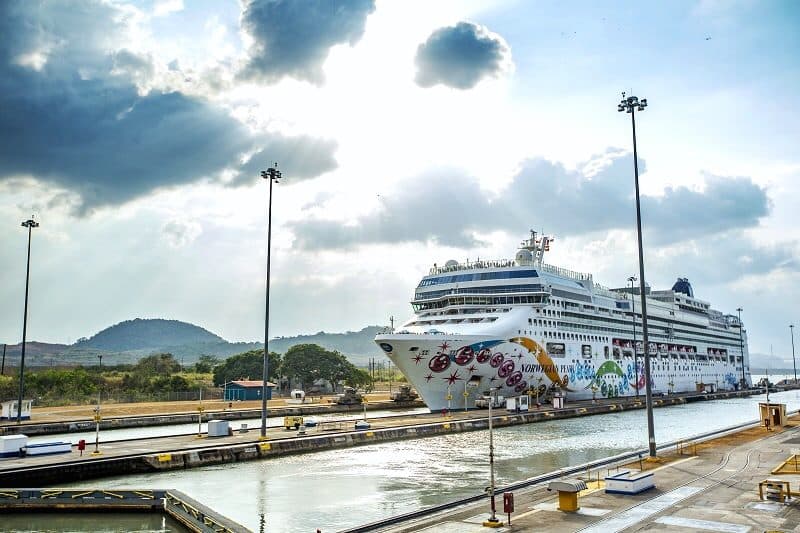
The canal, though — that's the thing you can't prepare for. Watching a full cruise ship inch through the Miraflores Locks with maybe a metre to spare on each side, the water lifting it up step by step like some enormous mechanical staircase, I just stood there not quite believing it. We had lunch at the restaurant right on the lock wall, wine on the table, and every few minutes the ground-level drama of the canal played out directly behind us.
The food scene surprised me too. From shakshuka-style breakfasts in small painted cafés to fish tacos with four house salsas lined up on the table, eating in Panama City never felt like a tourist obligation. Sitting on a rooftop terrace in the old town, drinks sweating in the humid afternoon, the modern skyline sitting right across the bay — that image summed up Panama for me: two very different cities occupying the same waterfront, neither one cancelling the other out.